
Know you are ready, not just hope you are
Feeling ready and being ready are not always the same thing. After a significant injury, especially an ACL reconstruction, hamstring injury or ankle injury, returning before your body is prepared increases the risk of getting hurt again. Our return to sport testing gives you, your coach and your surgeon objective information about where you are at and what still needs work.
Who is it for?
- Athletes returning after ACL reconstruction or other knee surgery
- Players recovering from hamstring, calf or ankle injuries
- Dancers and athletes returning after a long break from training
- Junior athletes wanting a baseline before the season starts
What we test
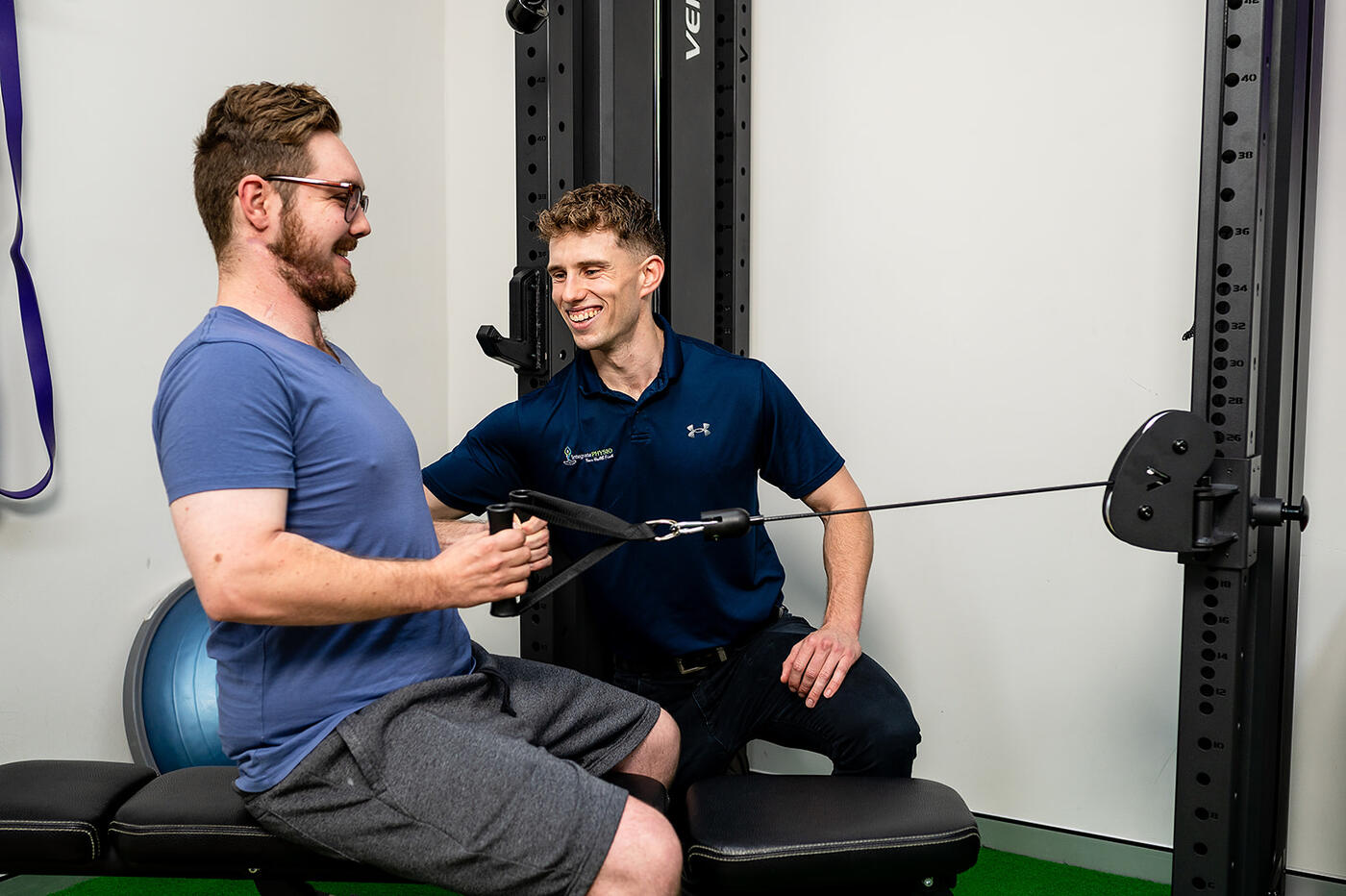
- Strength: objective measures of key muscle groups, such as the quadriceps, hamstrings and calves, comparing your injured and uninjured sides
- Hop tests: a battery of single-leg hop tests for distance and time
- Movement quality: how you land, cut and change direction under fatigue
- Fitness and sport-specific demands: agility and conditioning relevant to your sport
- Psychological readiness: a validated questionnaire to measure confidence and fear of re-injury, which is strongly linked to successful return
Understanding your results
A common target is for your injured side to be at least 90% of your uninjured side across strength and hop tests, alongside good movement quality and confidence. After testing, you receive a clear summary of your results and a plan for anything that is not yet where it needs to be. You can share it with your coach, club or surgeon.
Testing during rehab
Testing is not just for the end. We use the same measures throughout your rehabilitation to guide when you are ready to start running, jumping and returning to training, so there are no surprises at the final test.
Coming back from injury? Book your return to sport testing with our sports physiotherapy team, or read about our ACL rehabilitation program.
Information on this page is general and does not replace individual medical or physiotherapy advice. Your clinician will explain the most appropriate options after assessing you.